
You are here
Pearling heritage: the island economy
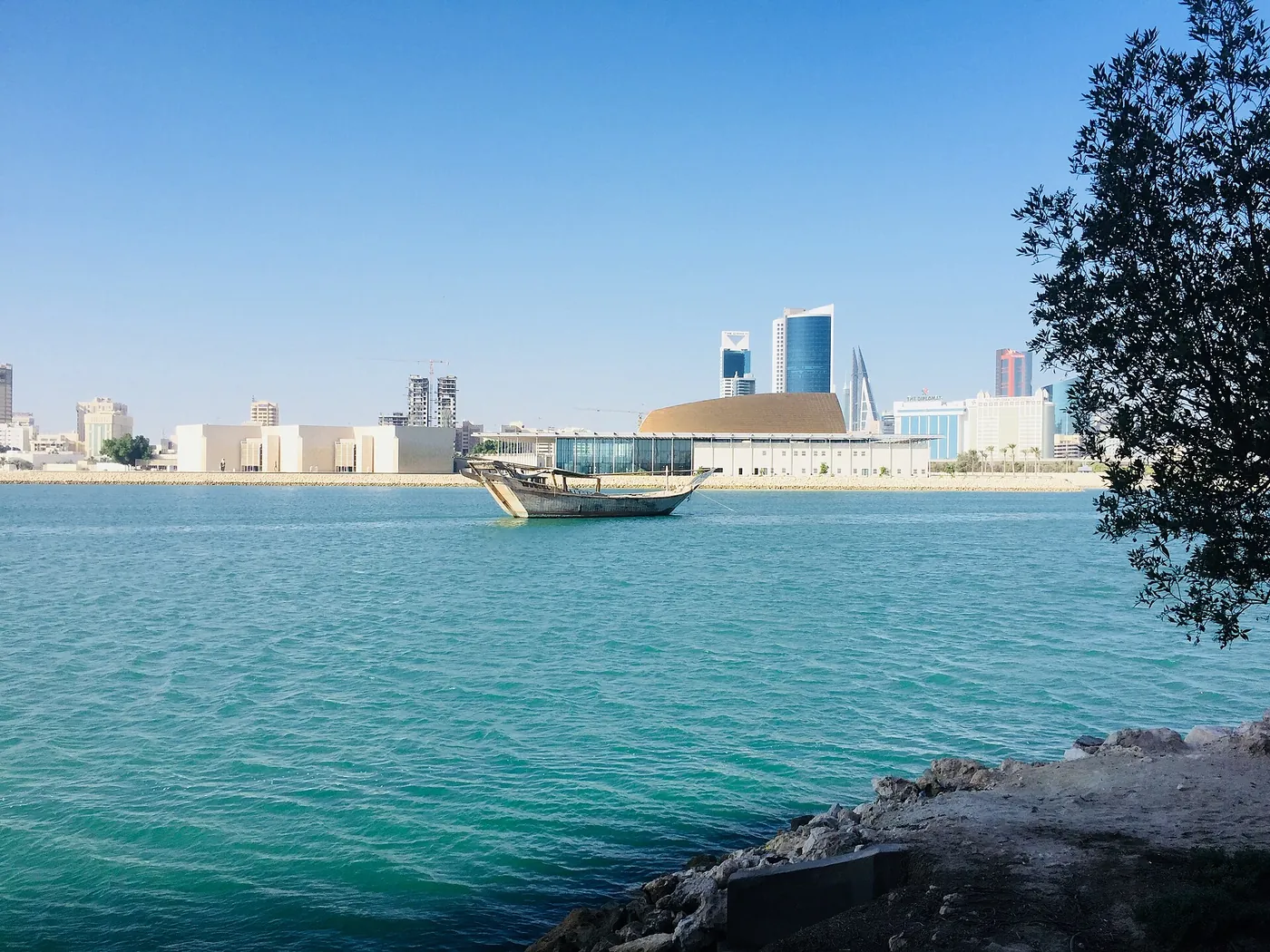
For centuries, natural pearls shaped Bahrain's economy and society. Here is how that world worked and where to see it today.
The waters around Bahrain held some of the richest natural pearl beds in the world. For generations, pearling was the islands' main industry, and its rhythms shaped family life, architecture, music and even the calendar.
The season
The main diving season ran through the hot summer months, when the sea was warm enough for long days in the water. Fleets of wooden boats left for the oyster beds and stayed out for weeks. Divers descended on weighted ropes, gathering oysters into baskets, while pullers on deck hauled them back up. Songs led by a ship's singer kept the rhythm of the work.
Who did what
A pearling voyage involved a whole chain of people: the captain, divers and pullers, the boat builders and suppliers ashore, and the merchants who graded, bought and sold the pearls to traders who took them to markets far beyond the Gulf. Merchant families grew wealthy, and their homes in Muharraq show it.
The end of an era
The arrival of cultured pearls in the early twentieth century undercut the market for natural pearls, and the discovery of oil soon offered other work. Pearling declined quickly, though the knowledge, songs and pride in the trade lived on.
Where to see it
The Pearling Path in Muharraq, part of a UNESCO World Heritage Site, links restored merchant houses and other buildings of the trade; see our listing for Bayt Siyadi and the Pearling Path. The Bahrain National Museum covers the industry in its galleries, and dhow harbours around the islands still show traditional boat shapes. Natural pearls are still sold in Manama, often with information on their origin.
Songs and stories
Pearling left a deep mark on music and storytelling. Sea songs once sung on the boats are still performed by traditional ensembles, and older residents of Muharraq and Manama remember family members who sailed with the fleets. Museum displays and heritage houses often include objects from those voyages, such as diving weights, nose clips and the small scales merchants used to weigh pearls.