
You are here
Bahrain National Museum
The country's main museum, on the Manama waterfront, tells the story of the islands from the Dilmun era to the pearl-diving years.
Venue facts
Where it is
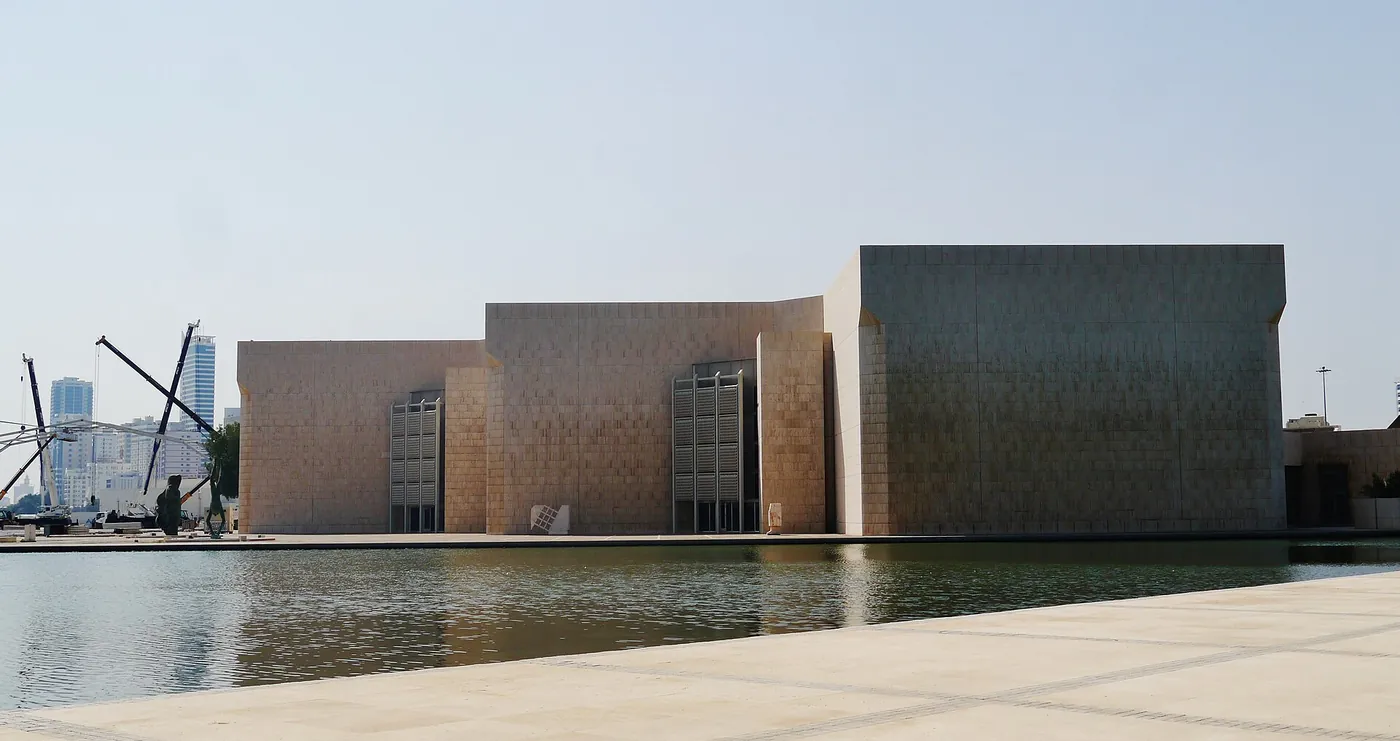
The museum stands on reclaimed land along the Manama waterfront, a short drive from the old market around Bab Al Bahrain. Its low, pale stone buildings face the water and the island of Muharraq across the bay, and the National Theatre is its next-door neighbour. The setting makes it easy to combine the two, or to follow a museum visit with a walk along the water as the heat drops.
What you will see
The galleries move broadly through time. Archaeology rooms cover the Dilmun civilisation, when the islands were a trading stop between Mesopotamia and the Indus Valley, and the later Tylos period, when Greek and Roman writers knew the islands by that name. A hall devoted to burial customs explains the thousands of ancient mounds that still dot the main island, with a reconstructed grave to make sense of them.
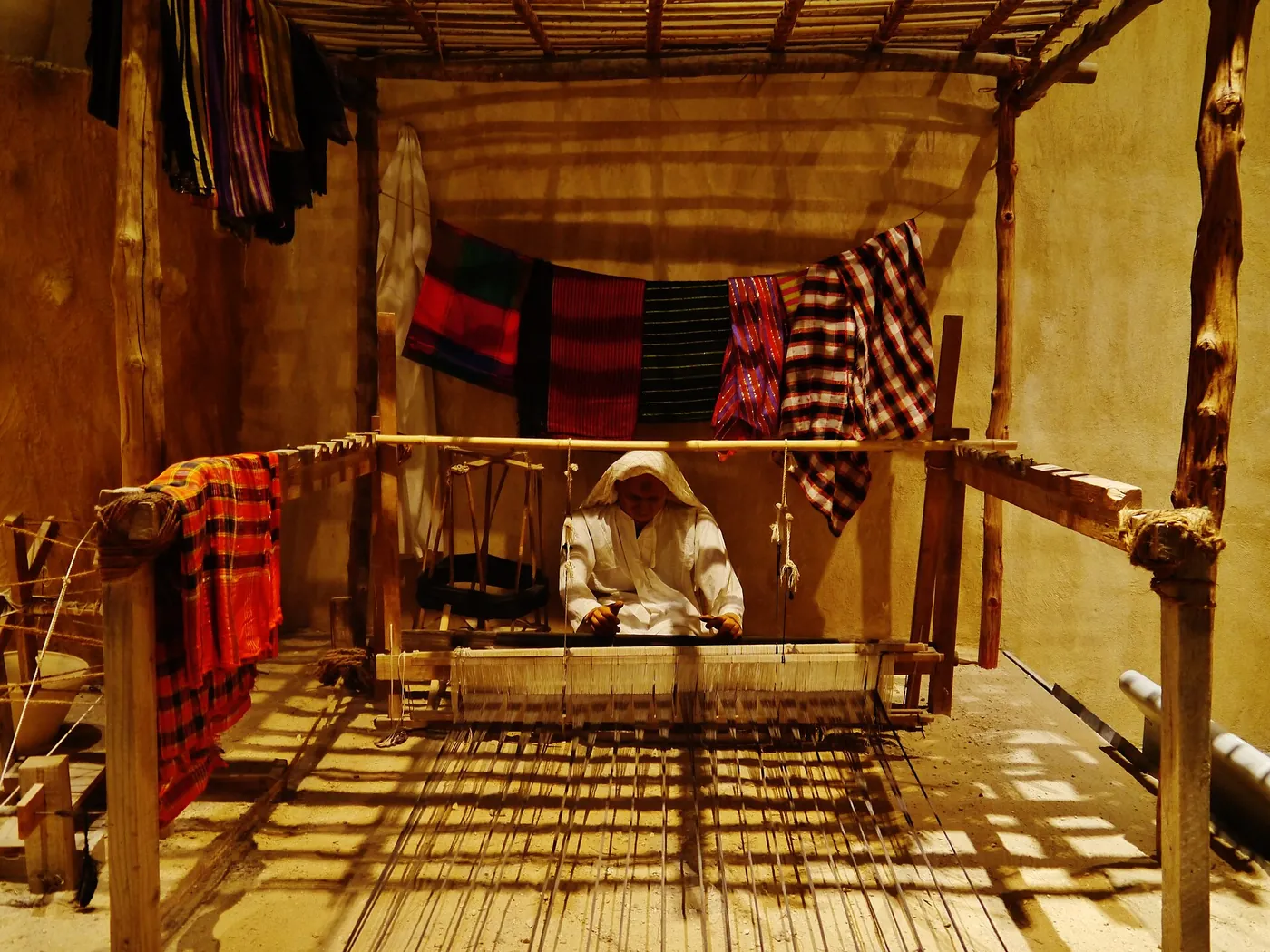
Later galleries turn to everyday life before oil: pearl diving, boat building, weaving, pottery and the customs of weddings and family celebrations. Documents and manuscripts, a natural history section and temporary exhibitions round out the visit.
A short history
The museum opened in 1988 and was one of the first purpose-built national museums in the Gulf. Its collection grew out of decades of archaeological work on the islands, much of it begun by Danish expeditions in the 1950s that first mapped the scale of the Dilmun settlements. The building was designed by Danish architects, which partly explains its calm, Scandinavian restraint.
Visitor notes
Allow two to three hours if you want to see everything without rushing. The museum is a good first stop on a trip because so many later sights, from the burial mounds to Qal'at al-Bahrain, make more sense once you have seen the galleries. Photography rules, opening days and any admission arrangements can change, so check the museum's own channels before you go. A small café and shop are usually part of the visit.