
You are here
Souqs and markets
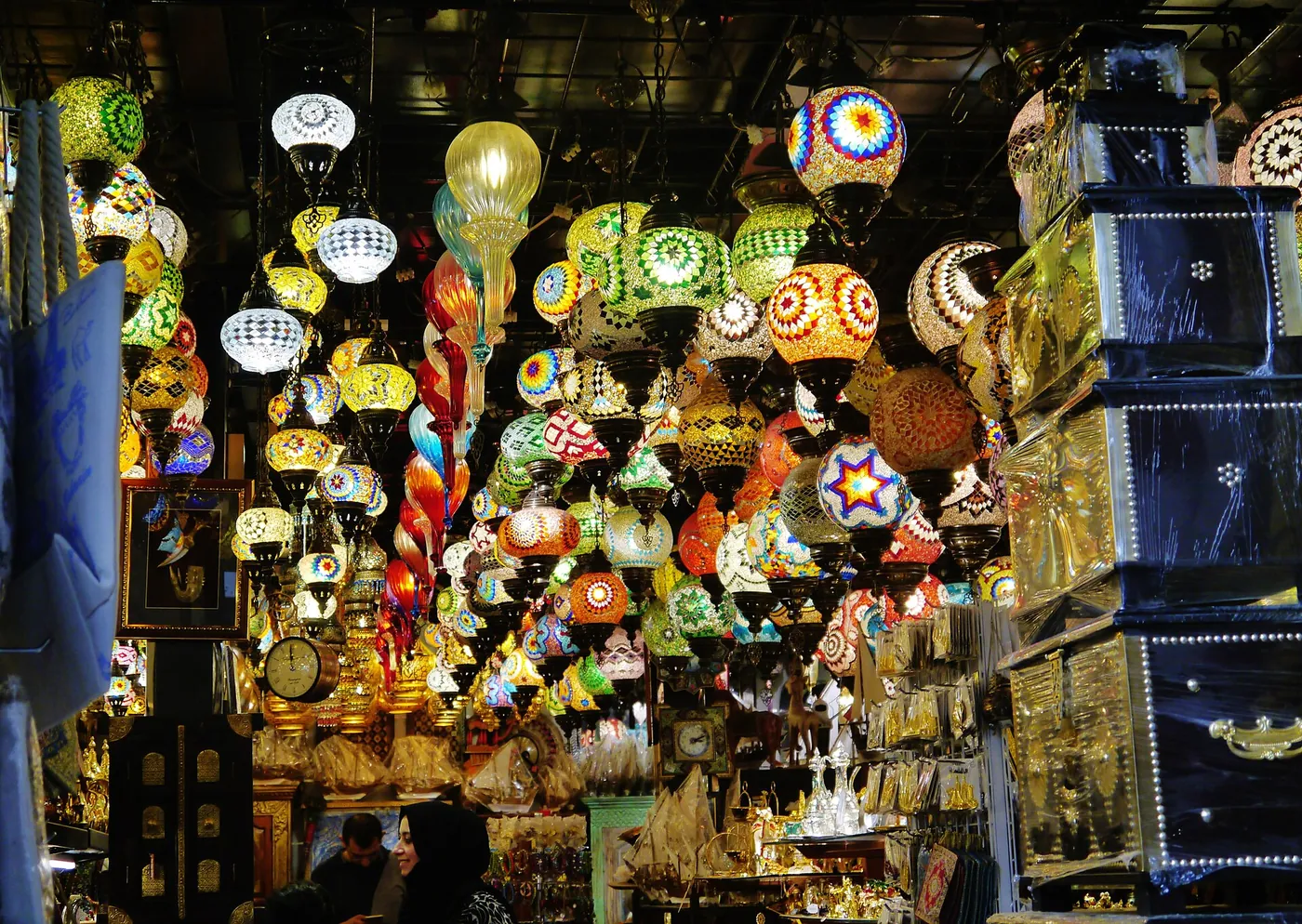
How Bahrain's traditional markets are organised, what they sell, and how to enjoy them as a visitor.
Bahrain's traditional markets are working places where locals shop for fabric, spices, household goods and gold, and where visitors can spend happy hours browsing. The biggest is Manama Souq behind Bab Al Bahrain; Muharraq's old souq is smaller and quieter.
How the souq is laid out
Traditional markets tend to group trades together. In Manama you will find lanes of textile shops and tailors, others devoted to spices, incense and perfumes, and a cluster of gold and jewellery shops. Between them are cafés, sweet shops and stores selling everything from kitchenware to electronics.
What to look for
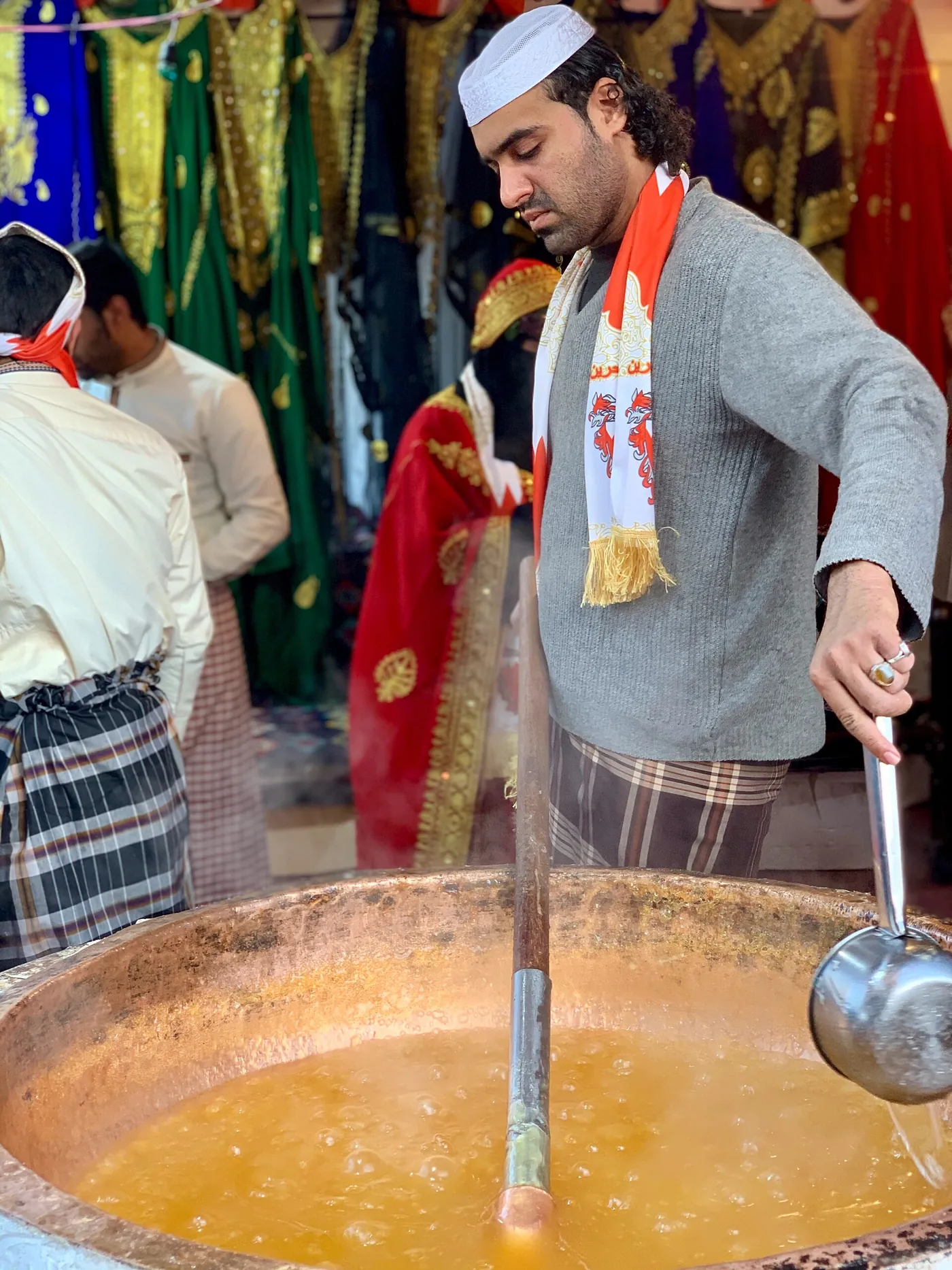
Popular purchases include spices and dried limes, traditional perfumes and incense such as oud and bakhoor, textiles and tailored clothing, pottery from A'ali, halwa and dates. Pearls and gold are also sold, often by long-established family businesses.
Bargaining
In smaller shops, prices for many items are open to friendly negotiation. Be polite, take your time, and do not start bargaining for something you do not intend to buy. In larger stores and for food, prices are usually fixed.
When to go
Mornings and evenings are the best times to visit. Many shops close for a break in the early afternoon, and Friday mornings are quiet. In the cool season, the souq is lively after dark, and the cafés fill up.
Courtesy
Dress modestly, greet shopkeepers, and ask before photographing people. If you are invited to sit for tea while browsing, it is a gesture of hospitality, not a sales trap.
Muharraq's souq
Across the water, the old souq in Muharraq is smaller and more local, with traditional sweet shops, bakeries and tailors along lanes that connect to the Pearling Path. It is a gentler introduction to market life and pairs well with a morning walk through the old town.